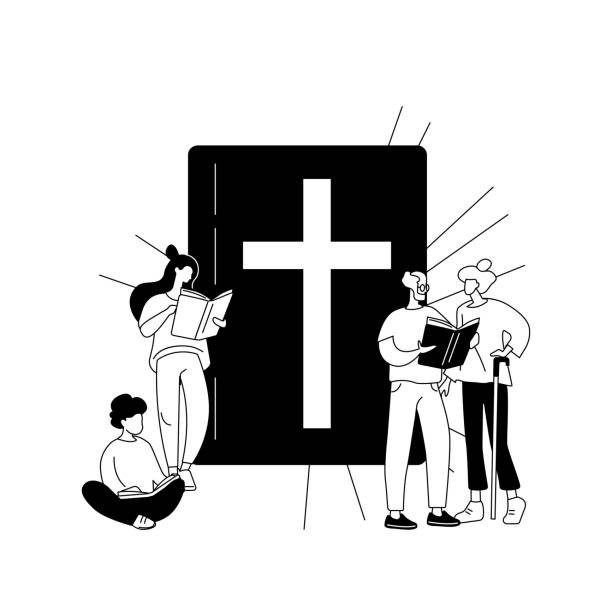
In the gospel, we are reminded that we should not just be good hearers of the word of God, but rather its doers. (cfr. Mt 7,21.24-27) In fact, we have to convert God’s word into our very own life, since that’s where we can start and keep our sharing with God’s life and nature as we are meant to do and be.
By acting on God’s word, we would actually be living by God’s will, which is what is most important to us. It’s not just following our will which is, of course, indispensable to us. Otherwise, we would be undermining our very own freedom and our humanity itself. Whatever we do is done because we want it. It should be a fruit of our freedom.
But what is most important is to conform our will to God’s will, which is even more indispensable to us. Otherwise, we sooner or later would destroy our freedom and our humanity itself, since God is the very author and the very lawgiver of our freedom and our humanity.
This is a basic truth that we need to spread around more widely and abidingly, since it is steadily and even systematically forgotten and, nowadays, even contradicted in many instances. We need to inculcate this truth to children as early as when they can understand and appreciate it. Then let’s give them the example of how it is lived.
God’s will is the source of everything in the universe. The whole of creation in all its existence, unity, truth, goodness and beauty starts from God’s will and is maintained by it. The entire range and scope of reality—be it material or spiritual, natural or supernatural, temporal or eternal—is “contained” there, not only theoretically but in vivo.
We have to learn to live by God’s will that is shown to us, thanks to God, by Christ, the fullness of divine revelation, who left us with his word and the sacraments in the Church.
What is God’s will for us? In general, it is to love him and our neighbor. It is to love the way Christ himself has loved us. God’s will is that we continually pray, so we get in contact with him in a direct and intimate way. We have to know him more and more by reading the gospel and following his teaching, and developing a real love for him, complete with feelings.
We should just learn to convert God’s word into action. St. Paul has something very relevant to say about this. “Not the hearers of the law are just before God, but the doers of the law shall be justified.” (Rom 2,13) St. James says something similar: “Be doers of the word, and not hearers only, deceiving your own selves.” (1,22)
Christ himself lived by this principle, even at the expense of his own life. “I do nothing of myself, but as the Father has taught me…” (Jn 8,28) And in the agony in the garden, he expressed that most eloquent submission to his Father’s will, “Not my will but yours be done.” (Lk 22,42)
We need to understand that our whole life is a matter of conforming ourselves to God’s will, the very seat of our ultimate identity as persons and children of God. This would involve the stages of knowing that will, believing it, then professing it and putting it into action. In short, receiving our faith, then turning it into life itself. (Fr. Roy Cimagala)