THE National Grid Corporation of the Philippines (NGCP) explained that manual load dropping is a temporary, last-resort measure implemented to maintain grid stability amid insufficient power generation in the Visayas.
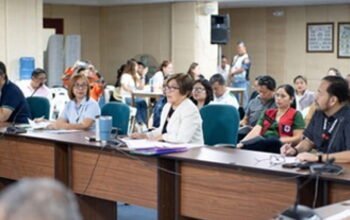
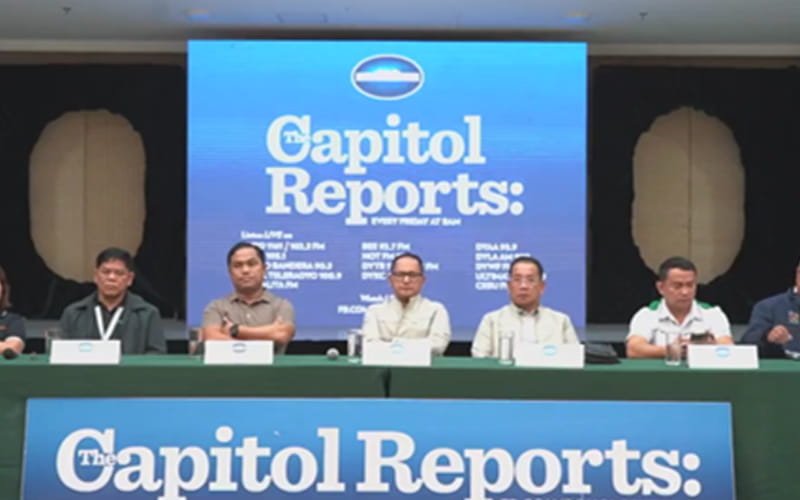
The implementation was discussed during the September 18, 2026, episode of The Capitol Reports, held at the Ceremonial Hall of the Provincial Capitol, which focused on the current power situation and the role of NGCP in managing the transmission system.
Leading the discussion were NGCP Assistant Vice President for Visayas System Operation Dr. Neil Martin Modina; BOHECO I Chief of Corporate Planning and ICT Department Engr. Algerico Siga; BOHECO II Technical Services Department Manager Engr. Noel Aleman, and Corporate Planning Manager Engr. Ariel Torrejos; BLCI Vice President for Network Development and Operations Engr. Paulino Almedilla; BLCI Customer Care Department Assistant Manager and Spokesperson Sheryl Paga; and Third District Board Member Greg Crispinito Jala.
Modina explained that NGCP manages the transmission system and delivers available electricity from generating plants to distribution utilities, but does not generate electricity.
He said the Visayas has experienced a generation supply deficit since May following the forced outage of several power plants, including one that went offline on May 13, 2026.
With available generation unable to meet demand, Modina said NGCP implements manual load dropping as a last-resort measure to prevent the grid from becoming overloaded and potentially collapsing.
He explained that controlled reduction of electricity demand through temporary power interruptions helps maintain the balance between available supply and consumption.
NGCP also maintains reservations from generating facilities to help prevent a wider blackout.
Modina noted that the power situation has begun to improve, with one generating plant returning to service on September 15 and another plant in Cebu becoming available on September 18.
Siga explained that BOHECO I operates within the available supply delivered through the transmission system and does not control power generation.
He said BOHECO I supports consumers who install solar power systems and currently has 3.7 megawatts of installed capacity under its net-metering accounts.
He also stressed the importance of complying with technical and safety requirements when connecting solar systems to the distribution network.
Aleman explained that the manual load dropping being experienced by consumers is connected to the temporary unavailability of generating facilities and the resulting supply deficit.
He emphasized that the measure is temporary and is necessary to manage the available electricity supply while generation remains constrained.
Torrejos likewise stressed the need for adequate and stable generation capacity to meet Bohol’s electricity demand, noting that the province’s power requirements must be matched by sufficient supply.
Almedilla clarified that Bohol’s rotational brownouts are not primarily caused by a lack of substations in the BLCI service area but by the generation deficit affecting the wider power system.
He said securing sufficient generation is essential to maintaining a stable electricity supply and reducing the need for manual load dropping.
Paga, meanwhile, addressed concerns from consumers affected by the interruptions, saying BLCI continues to provide updates and respond to questions regarding power outages.
She also encouraged consumers to practice energy-saving measures to help manage electricity demand.
Jala presented the proposed Bohol Household Solar Power Incentive Program Ordinance as one possible long-term response to the province’s power supply concerns.
The measure seeks to encourage households to adopt rooftop solar systems and strengthen renewable energy capacity in Bohol.
The proposal has been referred to the Sangguniang Panlalawigan Committee on Public Utilities and Franchises for appropriate action.
The discussion provided Boholanos with explanations from the different sectors involved in the electricity system, particularly on why manual load dropping is implemented, how it protects grid stability, and the measures being considered to address the province’s power supply concerns.
The Provincial Government of Bohol continues to support efforts that strengthen the province’s energy resilience and ensure reliable essential services and economic activities amid power supply challenges under the leadership of Gov. Aris Aumentado.
These efforts support the Capitol’s Strategic Governance Roadmap by strengthening energy resilience and essential infrastructure while promoting sustainable energy solutions and reliable public services in Bohol. (PIMO/MFM)