Narcissism does not always arrive loudly. Sometimes it wears competence, generosity, spirituality, or humility. It begins when the self becomes center of attention and approval, leaving God and others at the margins.
Psychologically, narcissism exists on a spectrum and should not automatically be confused with narcissistic personality disorder. Patterns can include needing admiration, taking criticism personally, exaggerating achievements, competing constantly, or struggling to rejoice in another’s success.
The subtlety makes it dangerous. A person may serve publicly yet resent being unnoticed, give advice to display superiority, or apologize only when reputation is threatened. Even spiritual activity can become self-advertisement.
Religious activity can quietly become a stage for the ego rather than grateful response to grace. The searching question is simple: “Who is this really for?”
Saint Paul gives a searching standard: “Do nothing from selfish ambition or conceit” (Phil 2:3). Christian humility is not self-contempt. It means seeing ourselves truthfully, receiving gifts gratefully, acknowledging limitations, and remembering God.
One probable cause is an insecure sense of worth. When identity is not rooted in being loved by God, external confirmation becomes necessary. Praise becomes fuel, criticism threatening, and comparison a daily referendum on personal value.
Another cause can be excessive self-protection. Past rejection, humiliation, neglect, or conditional approval can encourage a defended image. Behind apparent superiority there may be fragility. This does not excuse harmful behavior, but helps us respond.
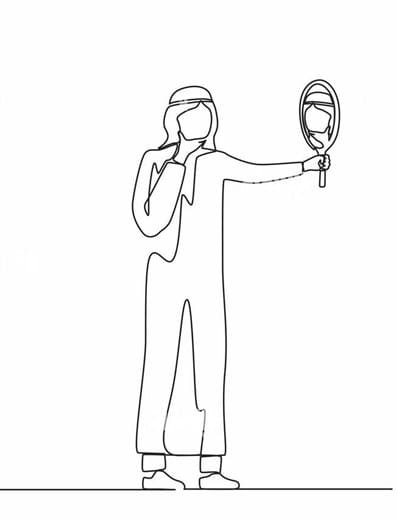
Our age supplies powerful amplifiers. Social media enables curated appearances, controlled self-presentation, visible achievements, and immediate feedback. Research finds associations between narcissistic traits and certain self-promotional behaviors, although social-media use itself does not mean someone is narcissistic.
We are invited to turn the self into a project. Followers, reactions, photographs, accomplishments, possessions, credentials, and personal branding can teach us to ask, “How am I perceived?” rather than, “How am I becoming?”
The remedy is not self-hatred, because self-hatred remains preoccupied with self. The remedy is humility: realistic self-knowledge that recognizes dignity and weakness while placing God at the center. This frees us from needing constant applause.
Make a brief examination each evening: “Where did I seek praise? Where did I become defensive? Whose success bothered me? Did I listen? Did I serve when nobody noticed?”
Honest self-knowledge should not produce despair. It should help us recognize weaknesses, thank God for grace, and make concrete resolutions. Prayer and trustworthy guidance can uncover patterns that self-protection conceals.
Learn to receive correction. Narcissistic patterns may resist feedback because criticism feels like an assault upon identity. Yet Scripture says, “Faithful are the wounds of a friend” (Prov 27:6). Trusted friends or professionals can help.
Practice hidden service. Do something good that nobody will photograph, applaud, or remember. Let another receive credit. Such acts retrain the heart to enjoy goodness without recognition.
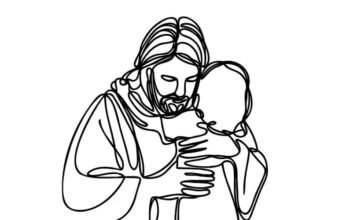
Christ provides the decisive model. He “emptied himself, taking the form of a servant” (Phil 2:7). He washed feet, welcomed the overlooked, forgave enemies, and gave Himself on the Cross.
Christian maturity moves from self-assertion toward self-giving. Be especially careful with spiritual narcissism: we can become proud of being devout, orthodox, knowledgeable, disciplined, or apostolic in ordinary life.
If these gifts make us harsher, judgmental, or less patient, something has gone wrong. Use gifts without making them your identity; accept praise without feeding on it, failure without collapsing, and correction without resentment.
The goal is not to become smaller, but freer to love. If self-centered patterns seriously damage relationships or functioning, seek professional help alongside prayer and spiritual guidance.
Ask not constantly, “How important am I?” but, “Whom can I love?” As attention moves toward God and neighbor, the ego gradually loses its throne. (Fr. Roy Cimagala)