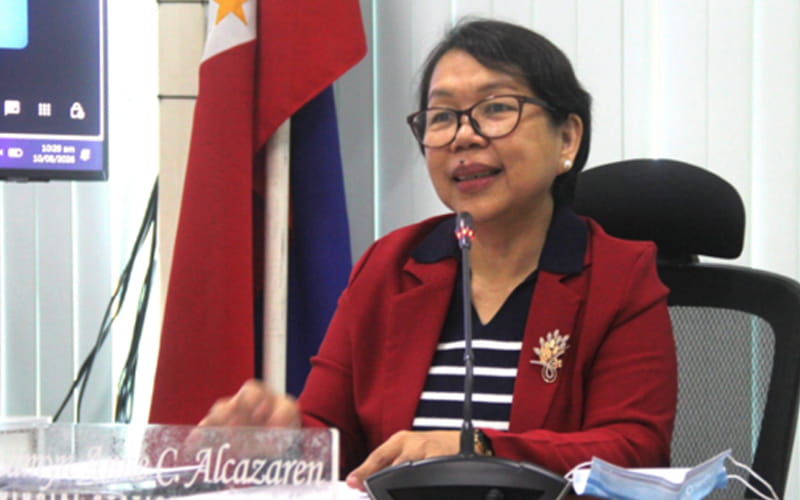
BOHOL’s headline inflation eased to 6.7% in July 2026 from 7.0% in June, reflecting slower price increases in food, transport, and other consumer goods, according to the Philippine Statistics Authority (PSA).
This latest figure indicates a modest improvement in the province’s price situation, although household budgets remain under pressure from elevated essential commodity prices.
The slowdown was primarily driven by Food and Non-Alcoholic Beverages and Transport, which together accounted for more than 97% of the province’s overall inflation deceleration.
Food and Non-Alcoholic Beverages recorded a lower inflation rate of 7.9% in July from 8.8% in June.
Among the commodities that posted slower price increases were fish and other seafood, vegetables and other plant products, and meat.
Transport inflation likewise eased to 17.0% from 19.9%.
Passenger transport by sea and inland waterways declined from 129.3% to 110.7%, while inflation for fuels and lubricants for personal transport equipment and air passenger transport also slowed.
Other sectors that recorded slower price increases included Recreation, Sport and Culture, which eased to 3.8% from 4.5%, and Clothing and Footwear, which declined slightly to 5.0% from 5.2%.
Despite the overall slowdown, several essential expenses continued to contribute significantly to inflation.
Rice prices rose by 14.9% in July from 14.0% in June, making rice the single largest contributor to Bohol’s inflation at 1.55 percentage points.
Transport contributed 1.96 percentage points, while Housing, Water, Electricity, Gas, and Other Fuels contributed 0.58 percentage points.
Electricity prices also recorded a notable increase, with inflation rising to 11.3% in July from -5.0% in June.
The province’s Purchasing Power of the Peso stood at 0.75 in July, meaning that ₱100 in 2018 had the purchasing value of approximately ₱75 in July 2026.
While the July figures point to easing price pressures in some sectors, the Provincial Government of Bohol, under the leadership of Gov. Aris Aumentado, continues to recognize the importance of strengthening food security, supporting local production, monitoring essential commodity prices, and improving economic resilience for Boholano households.
These efforts are part of the Capitol’s Strategic Change Roadmap to build a smart, resilient, inclusive, and sustainable province, the Philippines’ first and only UNESCO Global Geopark. (PIMO/RJG)