THE Department of Health-Central Visayas Center for Health Development (DOH-CVCHD) is urging more people to become regular voluntary blood donors to help sustain an adequate and safe blood supply in Central Visayas.
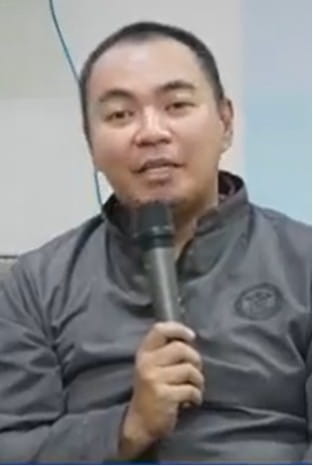
Dr. Mar Carlo T. Alcontin, medical officer III and regional program manager of the National Voluntary Blood Services Program (NVBSP) of DOH-CVCHD, said public education is key to encouraging more people to donate.
“Importante ang atong blood program aron maedukar ang katawhan, labi na ang mga nagduha-duha pa sa proseso sa blood donation. Dako usab among pasalamat sa atong mga regular blood donors ug hinaut nga sila usab ang mahimong inspirasyon sa uban aron magpadayon sa pagdonar og dugo,” Alcontin said during the Kapihan sa PIA.
(Our blood program is important in educating the public, especially those who are still hesitant about the blood donation process. We also thank our regular blood donors and hope they will inspire others to donate.)
He said the number of blood donors in Central Visayas has continued to grow despite seasonal fluctuations in collections, with first-time donors helping offset declines during lean months.
To maintain supply, the DOH Subnational Blood Center conducts blood donation activities almost daily, including weekends and holidays.
“Ang dugo dili mahimong mamugna o ma-manufacture. Kini mahimo lamang pinaagi sa mga boluntaryong donors nga andam mohatag sa ilang oras ug dugo aron makatabang sa isigkatawo (Blood cannot be created or manufactured. It can only come from voluntary donors who are willing to give their time and blood to help others),” Alcontin said.
The DOH promotes voluntary, non-remunerated blood donation, in which donors receive no monetary compensation.
Alcontin said qualified donors may donate every 12 weeks.
Each donation collects about 450 cubic centimeters of blood from donors weighing at least 50 kilograms.
He said one unit of donated blood can be separated into three components: packed red blood cells, platelet concentrate, and plasma, each of which can benefit different patients.
Prospective donors undergo counseling and laboratory screening, including hemoglobin testing, before collection to ensure the safety of both donors and recipients.
Alcontin said healthy individuals who are free from cough or colds, have had at least six hours of sleep, and have eaten a light meal before donating are generally qualified, subject to medical assessment.
Those with recent tattoos, body piercings, or injectable procedures must wait at least one year before donating.
He said the region has an adequate supply of common blood types despite the limited shelf life of blood products.
“Dili ta makapasobra og stock tungod kay adunay expiration ang dugo, apan dili usab ta gustong makulangan. Sa pagkakaron, igo-igo ra ang atong supply sa mga common blood types sama sa A, B, ug O (We cannot overstock blood because it expires, but we also do not want to run short. At present, our supply of common blood types A, B, and O is just enough to meet demand),” he said.
First-time donors aged 16 to 60 may give blood, with parental consent required for 16-year-olds.
Regular donors aged 61 to 65 may continue donating if medically fit.
The DOH has collected 15,000 to 16,000 blood units so far this year and aims to collect about 40,000 units through the NVBSP.
“The challenge is not the technology or the facilities but finding more people who are willing to roll up their sleeves and donate blood. Mao nga nagpadayon kami sa pag-awhag sa publiko nga mahimong regular nga blood donors (That is why we continue to urge the public to become regular blood donors),” Alcontin said.
“Akong gihangyo ang tanan nga mahimong boluntaryong blood donor. Ang matag donasyon sa dugo mahimong makaluwas og daghang kinabuhi, ug pinaagi sa inyong pagtabang, daghan pa ang matagaan og ikaduhang higayon sa kinabuhi (I encourage everyone to become a voluntary blood donor. Every blood donation can save many lives, and through your help, more people will be given a second chance at life),” he said. (Hazel F. Gloria / PIA7)